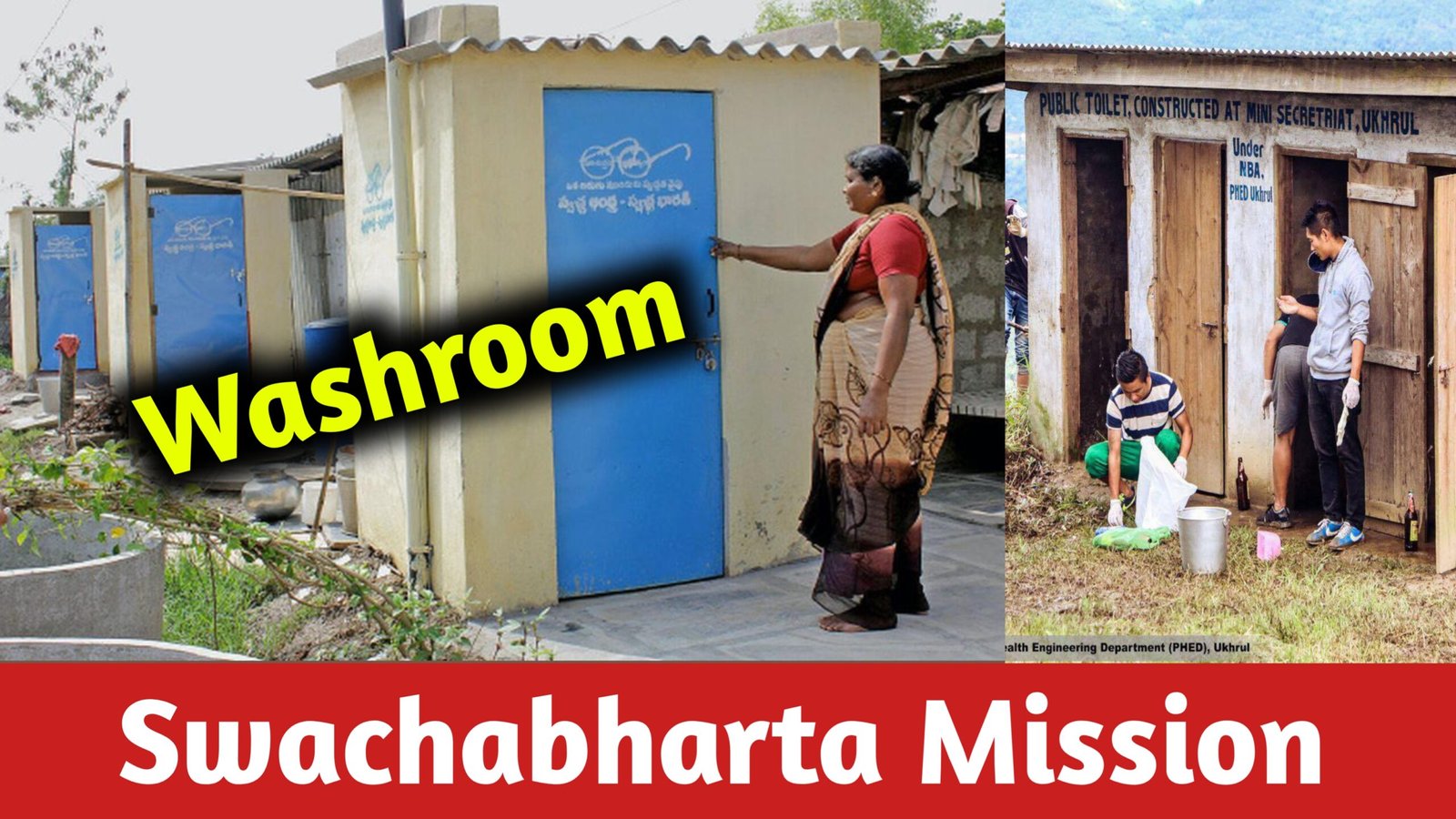
Central Government Free Toilet Room Build Scheme | Washroom
Introduction
Access to proper sanitation is a fundamental requirement for health, dignity, and well-being. Recognizing this, the Central Government of India has launched several schemes over the years aimed at improving sanitation infrastructure across rural and urban areas. One of the flagship initiatives is the Free Toilet Room Build Scheme, which is part of broader efforts to promote cleanliness, hygiene, and gender equality.
This article explains the scheme in detail – its objectives, eligibility criteria, benefits, application process, required documents, implementation strategy, and how it is transforming the lives of millions. It also includes a direct link to the official application page and step-by-step guidance to avail of the benefits.
Background of the Scheme
India faced significant challenges related to open defecation, inadequate sanitation facilities, and poor hygiene practices, especially in rural areas. According to the Census 2011, only 31% of rural households had access to toilets. The health implications of such conditions include:
- Waterborne diseases like diarrhea and cholera
- Stunted growth in children
- Increased maternal mortality
- Gender-based issues, such as lack of privacy and safety concerns
To address this, the Swachh Bharat Mission (SBM) was launched on 2 October 2014, with the vision of making India Open Defecation Free (ODF) by constructing individual household toilets and community sanitation facilities.
The Free Toilet Room Build Scheme is a vital component of this mission, aimed at providing toilets to economically weaker sections and vulnerable communities.
Objective of the Scheme
The primary objectives of the Free Toilet Build Scheme are:
- Improve Sanitation – Ensure that every household has access to a hygienic toilet.
- Promote Health and Hygiene – Reduce diseases caused by unsafe disposal of human waste.
- Empower Women – Provide privacy and security to women and girls.
- Protect the Environment – Decrease groundwater contamination and open defecation.
- Encourage Behavioral Change – Educate communities about the importance of toilet usage.
- Support Sustainable Development Goals (SDGs) – Particularly Goal 6 (Clean Water and Sanitation).
Who Can Apply?
The scheme is primarily targeted at rural and urban poor households. Eligibility is based on:
- Income Criteria – Families below the poverty line (BPL) or economically weaker sections.
- Lack of Toilet Facility – Households without any existing toilet infrastructure.
- Women-led Households – Priority is given to single women, widows, and women-headed households.
- Scheduled Castes (SC), Scheduled Tribes (ST), and Other Vulnerable Groups – Special focus is given to marginalized communities.
- Rural Areas – Priority is given to villages with high sanitation gaps.
- Urban Slums – Urban poor communities are also eligible.
Some states have customized eligibility criteria aligned with local poverty lines and community development programs.
Benefits of the Scheme
- Financial Support – The government provides grants ranging from ₹12,000 to ₹15,000 per household for toilet construction.
- Awareness and Training – Access to hygiene education, toilet usage, and maintenance.
- Improved Living Standards – Enhanced dignity and reduced health risks.
- Reduction in Out-of-Pocket Expenditure – Households are not forced to spend on building toilets.
- Increased Safety for Women and Children – Toilets reduce the risks associated with open defecation.
- Environmentally Sustainable Waste Management – Encourages eco-friendly toilet designs like twin-pit latrines.
Types of Toilets Built Under the Scheme
The scheme supports various toilet models depending on geography, space, and affordability:
- Twin-Pit Pour Flush Toilets – Economical and environmentally sustainable option.
- Single Pit Toilets – Suitable for small areas but with higher maintenance requirements.
- Bio-Toilets – Used in remote areas where water is scarce.
- Community Toilets – Shared facilities for dense or urban areas.
- Urinals and Handwashing Units – Provided alongside toilets to enhance hygiene.
Implementation Structure
The scheme is implemented through coordination between multiple agencies:
- Ministry of Jal Shakti – Overall governance and planning.
- State Governments – Identification of beneficiaries and execution at the grassroots level.
- Panchayati Raj Institutions (PRIs) – Local body involvement in rural areas.
- Urban Local Bodies (ULBs) – Implementation in municipalities and townships.
- Non-Governmental Organizations (NGOs) – Support in awareness, education, and field mobilization.
- Community-Based Groups – Self-help groups (SHGs) and village committees play a role in execution and monitoring.
Key Documents Required for Application
To apply for the scheme, households need to submit the following documents:
- Aadhaar Card – Proof of identity.
- Ration Card – Income certificate or proof of BPL status.
- Residence Proof – Such as voter ID, utility bills, or rental agreements.
- Bank Account Details – For direct benefit transfer (DBT) of funds.
- Passport-Sized Photographs – For beneficiary identification.
- Declaration Form – Stating that the household has no existing toilet.
Application Process (Step-by-Step Guide)
Step 1: Check Eligibility
Visit your local Gram Panchayat or Urban Local Body office and inquire about the scheme.
Step 2: Fill the Application Form
The form can be obtained physically at local government offices or downloaded from the official website:
Official Portal: https://swachhbharatmission.gov.in
Step 3: Submit Required Documents
Attach the documents listed above and submit them either online or at the designated center.
Step 4: Verification by Officials
Field officers will visit your home to verify the details and ensure the absence of toilet facilities.
Step 5: Approval and Fund Allocation
Once approved, the government releases funds directly into the applicant’s bank account.
Step 6: Construction Phase
Beneficiaries can begin building the toilet, with technical support provided by local officials.
Step 7: Usage and Maintenance Training
After construction, training on toilet use, cleanliness, and pit management is provided.
Monitoring and Reporting
The scheme ensures accountability through:
- Regular inspections by district officials.
- Use of mobile applications like IMIS (Integrated Management Information System) for tracking toilet construction and fund utilization.
- Social audits conducted at the community level.
- Feedback mechanisms where beneficiaries can report grievances.
Challenges and Solutions
Challenges
- Awareness gaps in remote villages.
- Resistance to behavioral change.
- Poor water availability.
- Maintenance issues and improper usage.
Solutions
- Intensive community education drives.
- Training local volunteers.
- Providing eco-friendly designs requiring less water.
- Encouraging women’s groups to monitor toilet usage.
Impact of the Scheme
- Improved Health Indicators
- Reduced diarrhea and related diseases.
- Improved maternal and child health.
- Empowerment of Women
- Enhanced privacy and security.
- Increased school attendance for girls.
- Environmental Benefits
- Cleaner surroundings.
- Reduced groundwater contamination.
- Behavioral Change
- Encouraging a culture of hygiene.
- Adoption of sustainable waste management practices.
- Economic Impact
- Lower medical expenses.
- Time saved from traveling long distances for open defecation.
State-Specific Implementation
Different states implement the scheme based on their specific challenges:
- Uttar Pradesh – Focuses on rural households and building toilets in schools.
- Bihar – Targets flood-prone areas with elevated toilet structures.
- Rajasthan – Introduces water-saving toilets due to desert conditions.
- Kerala – Focuses on integrating waste management systems with toilet facilities.
- Maharashtra – Urban sanitation plans focus on public toilets in slum clusters.
How to Track Your Application
Beneficiaries can check the status of their application by:
- Visiting the SBM official website.
- Logging into the IMIS portal with your registered mobile number.
- Contacting the local Panchayat or Urban Local Body office.
- Calling the helpline numbers provided in the scheme brochure.
Important Links
- Official Website – Swachh Bharat Mission:
https://swachhbharatmission.gov.in - Application Form Download Page:
https://swachhbharatmission.gov.in/SBMCMS/index.htm - Beneficiary List Portal:
https://sbm.gov.in/sbmreport/home.aspx - Helpline Number:
1800 11 1115 (Toll-Free)
FAQs (Frequently Asked Questions)
1. Can I apply if I am above the poverty line?
No. The scheme is primarily for below poverty line (BPL) families, but state-specific exceptions may apply.
2. How is the fund transferred?
The grant amount is transferred directly into the beneficiary’s bank account through DBT.
3. Can I build a toilet of my choice?
Yes, but the design should meet government guidelines for hygiene and sustainability.
4. What if I already started building a toilet?
You may be eligible if you didn’t receive government assistance before and meet the criteria.
5. How long does it take to process the application?
Typically, the verification process takes 15–30 days depending on the region.
Conclusion
The Central Government Free Toilet Room Build Scheme is a transformative initiative aimed at ensuring dignity, health, and safety for all citizens, especially those living in vulnerable conditions. By providing free or subsidized toilet construction, the scheme empowers households to lead healthier, more secure lives while contributing to the nation’s larger sanitation goals.
With detailed implementation strategies, easy application processes, and measurable benefits, this scheme is a cornerstone of India’s efforts to build a cleaner and healthier future. Every eligible family is encouraged to take advantage of this opportunity and contribute to a better society.
Use the official portal below to apply and be part of this impactful movement:
Apply Link 👇
https://swachhbharatmission.gov.in